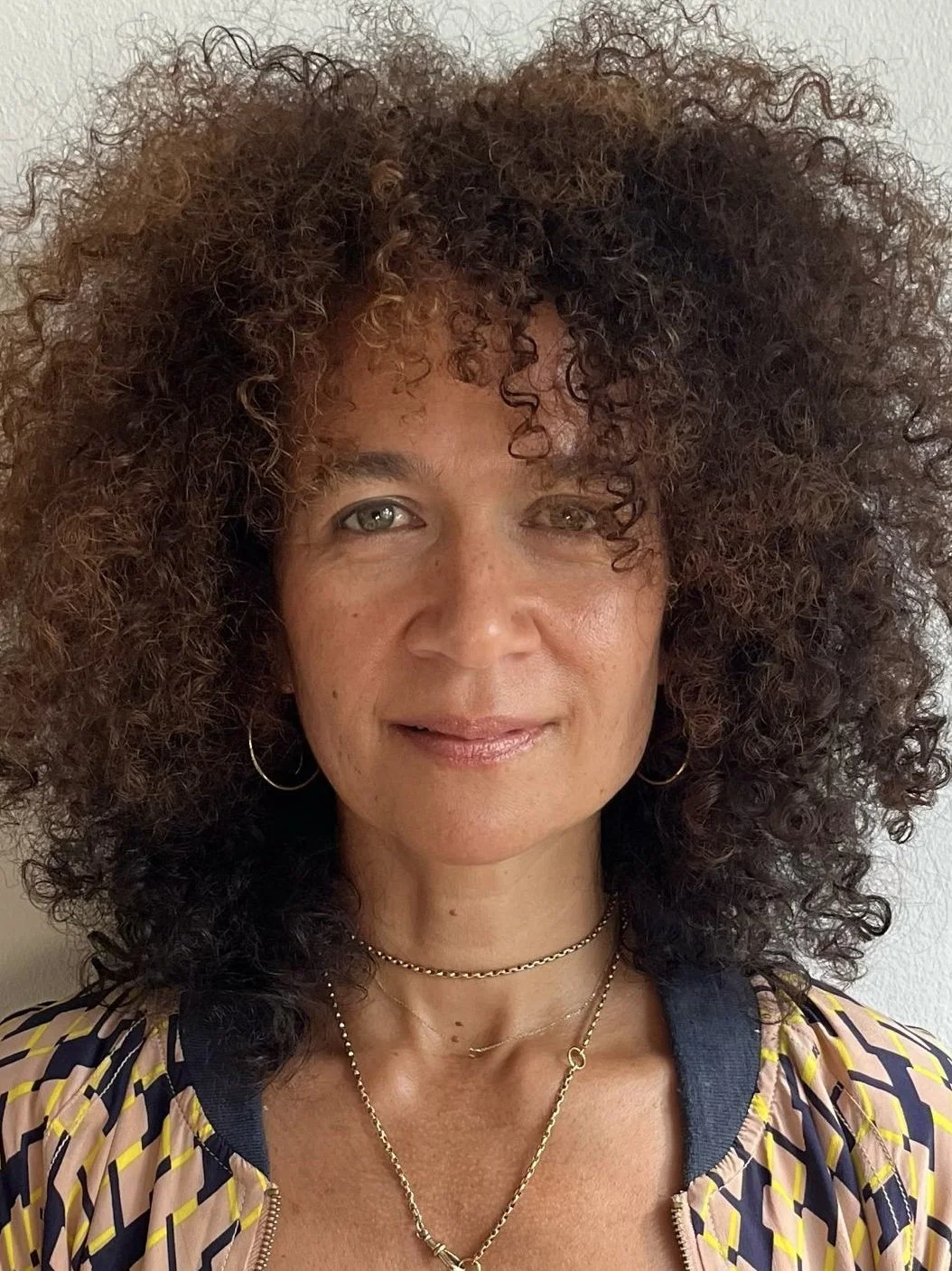
CORRINA PREECE
Corrie (she/her)
I am of Caribbean and English heritage, born in London, raised in the Caribbean and the Middle East. I bring a multicultural and diverse perspective to my practice, rooted in black feminist principals and social justice. My experience of raising children in a hetero/queer, shape-shifting, blended family has taught me firsthand the value of communication, compassion, and empathy when navigating personal and interpersonal complexities.
Classical yoga, philosophy, embodied practices, community, and authentic connections infuse my life with purpose and inspiration.
MBACPUK registered psychotherapist
DProf - Existential Psychotherapy & Counselling
— NSPC London
Qualifications
PGDip - Existential Psychotherapy & Counselling
— Regents London
MA - Traditions of Yoga & Meditation
— SOAS London
Organisations
SEL Mind - African and Caribbean Counselling St Mungo’s Lifeworks - unhoused clients Headstrong - general, LGBTQ+ & QPOC clients
The Meanings of Movement: a Heuristic Inquiry and Structural Existential Analysis of Meaning and Transformation through Skill-Based Movement Practices.
Doctoral Research